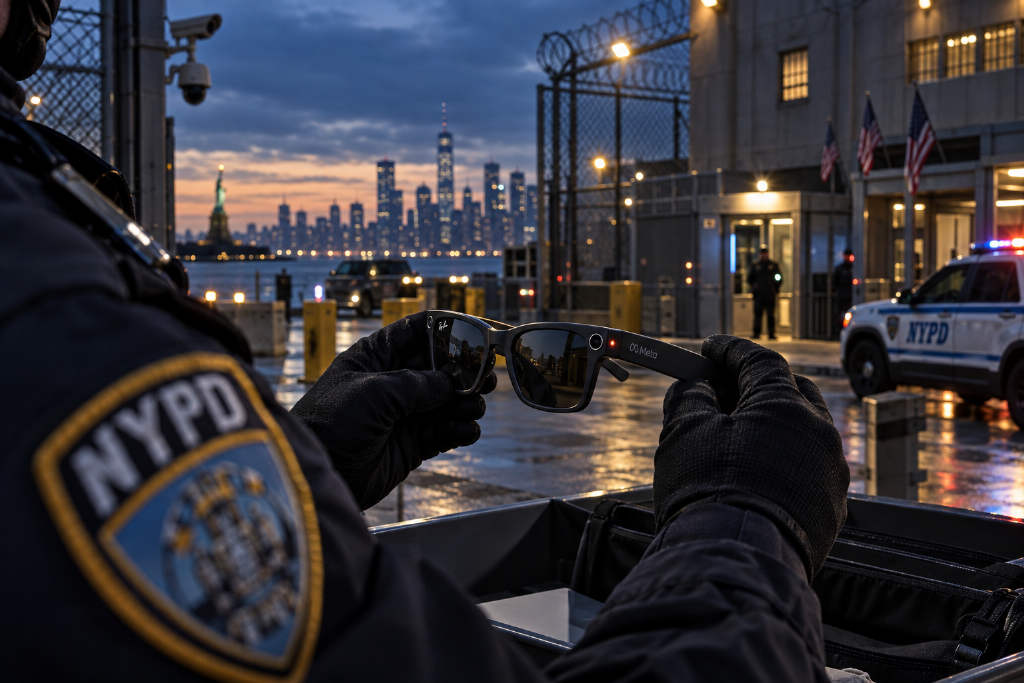
Meta2026-09-08 15:28:43U.S. police agencies warn Meta smart glasses are being used to film inside jails and police facilitiesPolice departments and federal agencies across the United States are circulating internal warnings over Meta’s camera-equipped smart glasses, after a series of memos obtained through public records requests raised concerns about covert recording inside secure facilities. According to the Guardian, which reviewed more than a dozen previously unreported documents, the New York Police Department’s counterterrorism bureau sent an early warning in January, describing Ray-Ban Meta glasses as a “security and counterintelligence” threat and telling officers to inspect eyewear brought into inmate cells. The memo said hidden recordings could reveal cell layouts, camera positions, and officer patrol or site protection routines. Other notices came from the Department of Homeland Security’s joint counterterrorism assessment team and fusion centers in New York, Maine, Virginia, Tennessee, and San Diego. One Maine memo said some smart glasses can use AI software, including facial recognition, which could expose officers’ identities. Meta told the Guardian the glasses are built to be noticeable because a light blinks during recording, though the report said that indicator does not always appear to prevent covert filming. The company is also facing separate criticism tied to privacy, including covert filming of women, contractor review of intimate footage, and plans involving facial recognition.340
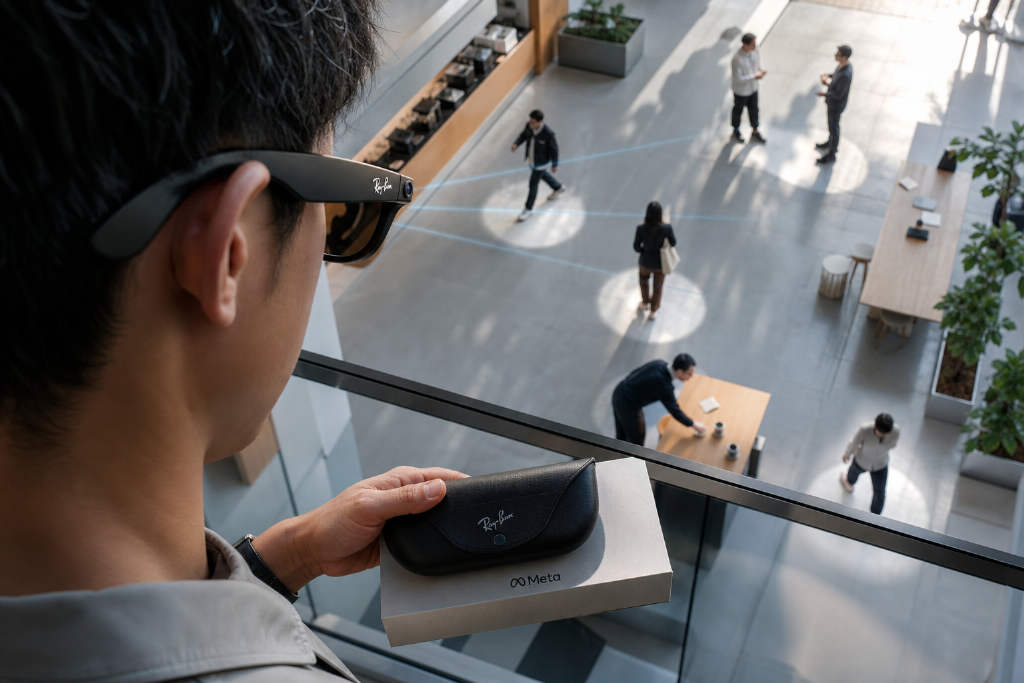
Meta2026-08-15 15:01:05Meta Patent Filing Describes Camera System That Identifies Faces and Logs ActionsMeta Platforms Technologies, the unit that holds Meta’s R&D and hardware intellectual property, has published a patent filing for a camera system designed to identify people by face, detect what they are doing, and package those findings into searchable media clips. The filing describes a multi-step pipeline in which cameras feed live or recorded footage into facial-recognition and action-detection layers, with the results tagged by person, action, or both. It also outlines a conversational retrieval model, allowing a connected phone or headset to request footage by query rather than forcing users to manually search through video. The filing includes diagrams showing both on-device and server-side processing, as well as a glasses wearer observing a room of people. Decrypt notes that the capability is likely to draw scrutiny because it centers on identifying and logging specific people without their active consent, echoing concerns previously raised by Democratic senators over facial recognition in Meta’s smart glasses. The filing is currently listed as "Ready for Examination," and Patentlyze rates its grant likelihood as medium. Publication places the idea on the public record, but does not mean the feature has been built or approved.370
Meta2026-08-02 15:02:55Meta’s AI Smart Glasses Draw Mounting Privacy Backlash as “Pervert Glasses” Label SpreadsMeta is building AI-powered smart glasses as a potential replacement for smartphones, but the company’s wearable push is running into a widening privacy backlash. Online, the devices are increasingly being referred to as “pervert glasses,” a label that has gained traction after a series of investigations, legal challenges, regulatory questions, and public protests. The criticism has built throughout 2026. In January, a BBC investigation reported that women were secretly filmed in public with Meta’s Ray-Ban smart glasses and later posted to TikTok without consent, with some clips drawing hundreds of thousands of views. In February, a joint investigation by Swedish newspapers said Nairobi-based contractors training Meta’s AI reviewed footage captured by the glasses, including highly sensitive scenes. In March, Meta was hit with a class-action lawsuit over disclosure issues tied to human review, while Senators Edward Markey, Jeff Merkley, and Ron Wyden pressed the company about reported facial recognition plans. Civil liberties groups, regulators, campaigners, and event organizers have since added pressure. The ACLU and 75 other groups urged Meta to abandon facial recognition in future models, Texas Attorney General Ken Paxton opened an investigation, and both Monopoly Events and DEF CON barred the devices from their events. Meta updated the glasses in July to disable the camera if the recording light appears to have been tampered with, but criticism has continued.970
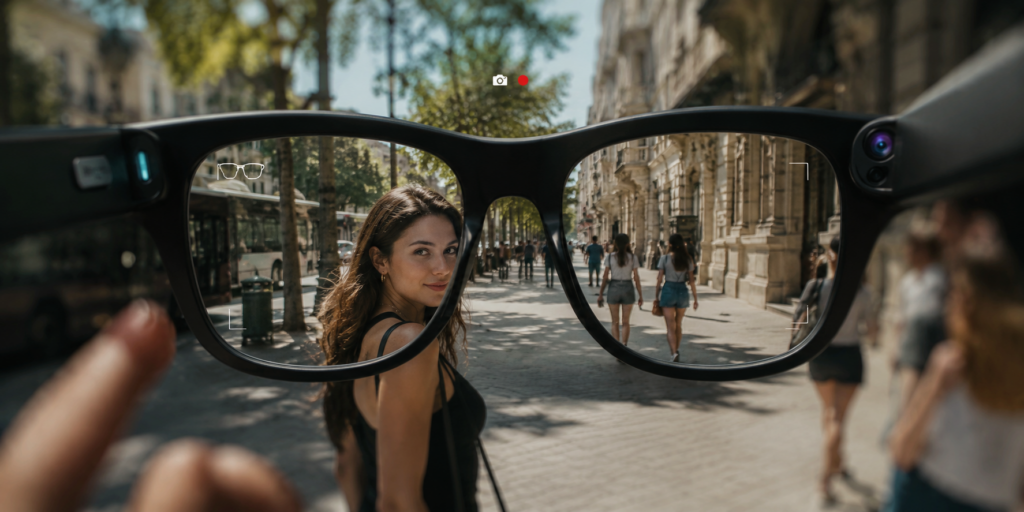
Meta2026-07-28 02:52:37Instagram bans two million-follower covert pickup accounts as Meta tightens rules on smart glasses videosInstagram has removed two accounts with more than 1 million followers each after Meta said they violated an updated harassment policy. The accounts were known for posting covert “pickup” videos recorded with Ray-Ban Meta smart glasses, typically showing unsuspecting women in public, while other removed clips reportedly included prank footage targeting cashiers and fast-food workers. Instagram chief Adam Mosseri said the company does not want people secretly recording others, harassing them, and then uploading those videos to the platform, adding that Meta is using every tool it has to address the issue. The company, however, has not published the full enforcement standard behind the removals. Instagram has not explained what qualifies as prohibited pickup-style content versus a legal street interview, nor has it disclosed how many accounts were affected in the broader sweep. That lack of transparency is drawing attention as smart glasses sales continue to rise. Ray-Ban and Oakley smart glasses sold about 7 million units last year, triple the prior year’s annual volume, with cumulative sales nearing 9 million units. Reports cited in the source say production goals originally set for the end of 2026 are now being reconsidered, with discussions around lifting annual capacity targets to 20 million to 30 million units. The central question remains unresolved: whether taking down Instagram accounts can do much to address recording that happens outside the platform itself.2070